
What Santa Barbara Landlords and Property Managers Need to Do After a Tenant Death
Last updated:
A tenant's death in a Santa Barbara rental property creates a specific sequence of obligations for the landlord or property manager — legal, practical, and logistical. The sequence matters. Taking the wrong steps in the wrong order can complicate the investigation, create legal exposure, or delay the remediation that determines whether the property suffers structural damage.
This post covers what California law requires, what the Santa Barbara County process looks like on the ground, and what property managers and landlords should do at each stage.
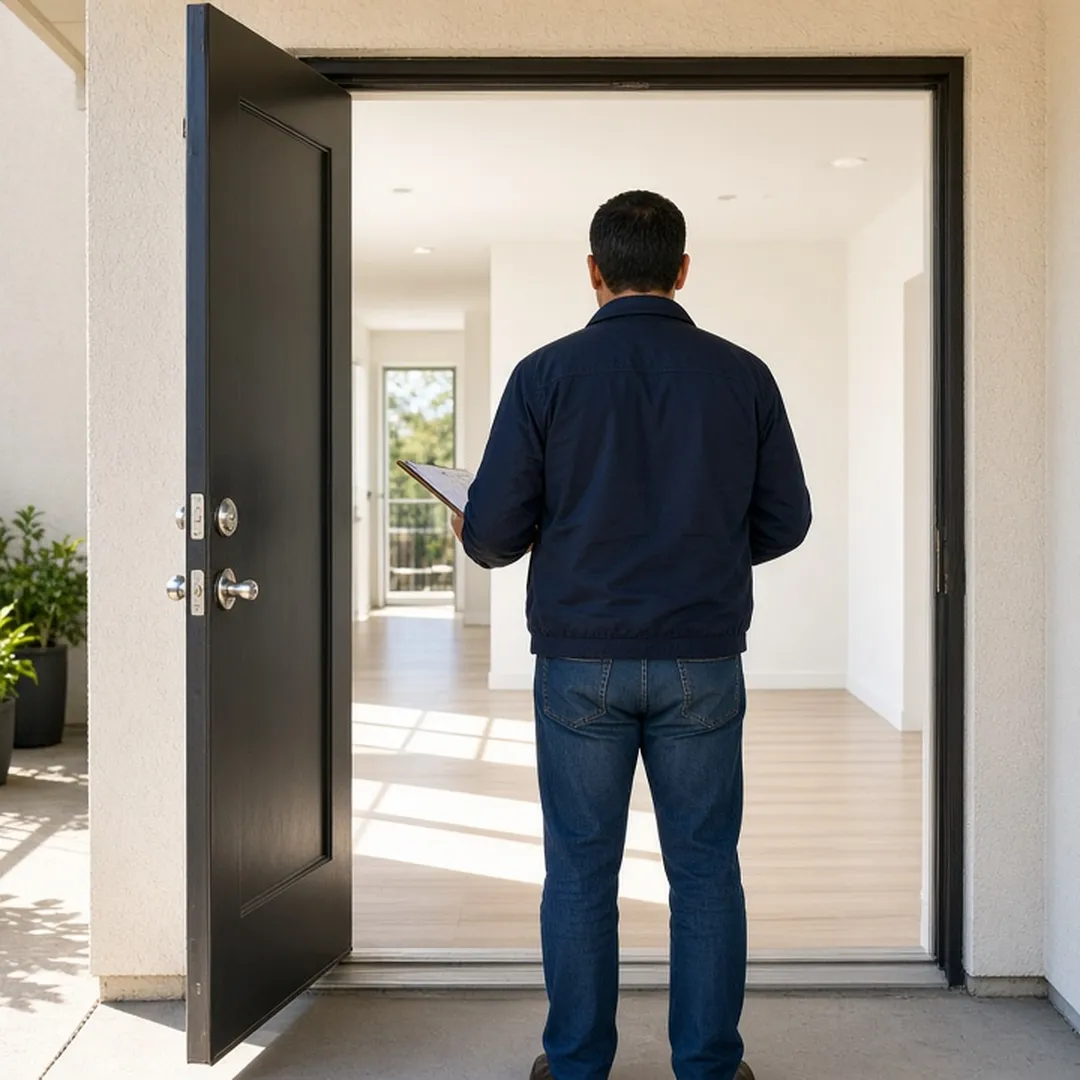
Step 1: Call Law Enforcement and Do Not Enter the Unit
If you discover or suspect that a tenant has died in a unit, call 911 immediately. Do not enter the unit beyond what's necessary to confirm that the situation requires emergency response. Do not attempt to open windows, remove items, or clean anything.
The Santa Barbara County Sheriff-Coroner's Bureau takes jurisdiction over unattended deaths — deaths where no physician was in attendance. When deputies arrive, they will secure the scene and contact the deputy coroner. Until the Sheriff-Coroner formally releases the scene, the property cannot be accessed for any purpose, including cleanup.
Landlords who enter an unreleased scene — even with the best intentions of helping — can interfere with an active investigation and may face legal exposure. Wait for formal scene release.
Step 2: Notify the Emergency Contact or Next of Kin
If you have an emergency contact on file for the tenant, notify them as soon as law enforcement is on scene. The family will need to coordinate with the Sheriff-Coroner's Bureau regarding the decedent and with the funeral home regarding transport and arrangements.
You are not responsible for notifying next of kin before law enforcement arrives, and you should not attempt to reach family members before calling 911.
Step 3: Wait for Scene Release
The Sheriff-Coroner's Bureau releases the scene when the investigation is complete. In straightforward cases without suspicious circumstances, this happens within 24 hours to a few days. Complex cases take longer.
Do not call cleanup companies before the scene is released. No CDPH-registered biohazard cleanup company will enter an unreleased scene. Calling too early just wastes time.
When you receive confirmation of scene release — ask the responding deputy or coroner's office directly for written or verbal confirmation that the scene has been released — you can begin the next steps.
Step 4: Arrange Biohazard Cleanup Immediately
The moment the scene is released, call a CDPH-registered biohazard cleanup company. In the context of California tenant deaths:
- Landlords have an obligation under California law to maintain rental properties in habitable condition
- A unit with biological contamination from a death is not habitable
- The longer remediation is delayed after scene release, the more structural damage accumulates
California's pre-1980 housing stock — which makes up 60% of Santa Barbara County's housing units — absorbs biological contamination more deeply than modern construction. A delay of 24 hours after scene release in a pre-1980 unit with original wood subfloors and plaster walls means more structural material removal than immediate response would require.
The cleanup company will conduct an on-site assessment, give you a scope and estimate before any work begins, and provide full documentation of the remediation for your records.
Step 5: Handle the Tenant's Personal Property Under California Law
California law governs how a landlord handles the personal property of a deceased tenant. California Civil Code §§ 1980 et seq. (the Disposition of Personal Property Statute) and the specific succession circumstances determine the process.
In general:
- The tenant's personal property becomes part of their estate upon death
- The landlord cannot dispose of, sell, or donate the tenant's property without following the legally required process
- The landlord must notify the estate or successor in interest of the property and provide a reasonable opportunity to remove it
- California sets specific timelines and procedures for abandoned property disposal when no heir can be located
A California probate attorney can advise on the specific steps for your situation. Do not remove or dispose of the tenant's property before consulting with an attorney or confirming the legal authority to do so.
Step 6: Document Everything
From the moment you discover the situation through remediation completion and re-rental, document every action:
- When you called 911 and the responding agency's report number
- When you received scene release confirmation (and from whom)
- When you contacted the cleanup company and when work was performed
- The scope-of-work report and disposal documentation from the cleanup company
- All communications with the tenant's family, estate representative, or attorney regarding personal property
This documentation protects you in the event of any dispute about the condition of the property, the timeline of events, or the handling of the tenant's estate.
Step 7: Insurance Coordination
Your landlord property insurance may cover biohazard remediation costs following a tenant death. Contact your insurer after the remediation is complete, with the full documentation package from the cleanup company. Some policies require notification within a specific window after the event; check your policy terms.
CalVCB cleanup reimbursement is available to qualifying victims of violent crimes, not to landlords as property owners. If the death resulted from a violent crime and a family member is a qualifying victim, they may have their own CalVCB claim — that is separate from any insurance claim the landlord may make.
Step 8: Death Disclosure When Re-Listing
California Civil Code § 1710.2 requires disclosure to prospective tenants or buyers of a death that occurred at the property within the prior three years. The manner of death is not required to be disclosed, only the fact that one occurred. A seller or landlord cannot lie if directly asked about a death, even one that occurred more than three years ago.
A prospective tenant who directly asks whether a death occurred at the unit is entitled to an honest answer.
Summary: The Sequence
- Call 911; do not enter the unit
- Notify emergency contact after law enforcement is on scene
- Wait for formal scene release from the Sheriff-Coroner's Bureau
- Call a CDPH-registered cleanup company immediately after release
- Handle the tenant's personal property under California law (consult an attorney)
- Document everything
- Coordinate with your insurer after cleanup
- Disclose appropriately when re-listing
Each step in this sequence has legal and practical stakes. Getting the order right protects the property and the landlord.
Biohazard Cleanup Santa Barbara