
Heat, Humidity, and Decomposition in Santa Barbara — What Property Owners Need to Know
Last updated:
Santa Barbara's mild reputation — a climate consistently described as one of the most comfortable in the United States — creates a specific blind spot for property owners dealing with an unattended death. The assumption is that mild weather means more time before structural damage becomes severe. That assumption is wrong, and understanding why matters for anyone responsible for a property where a death may have gone undiscovered.
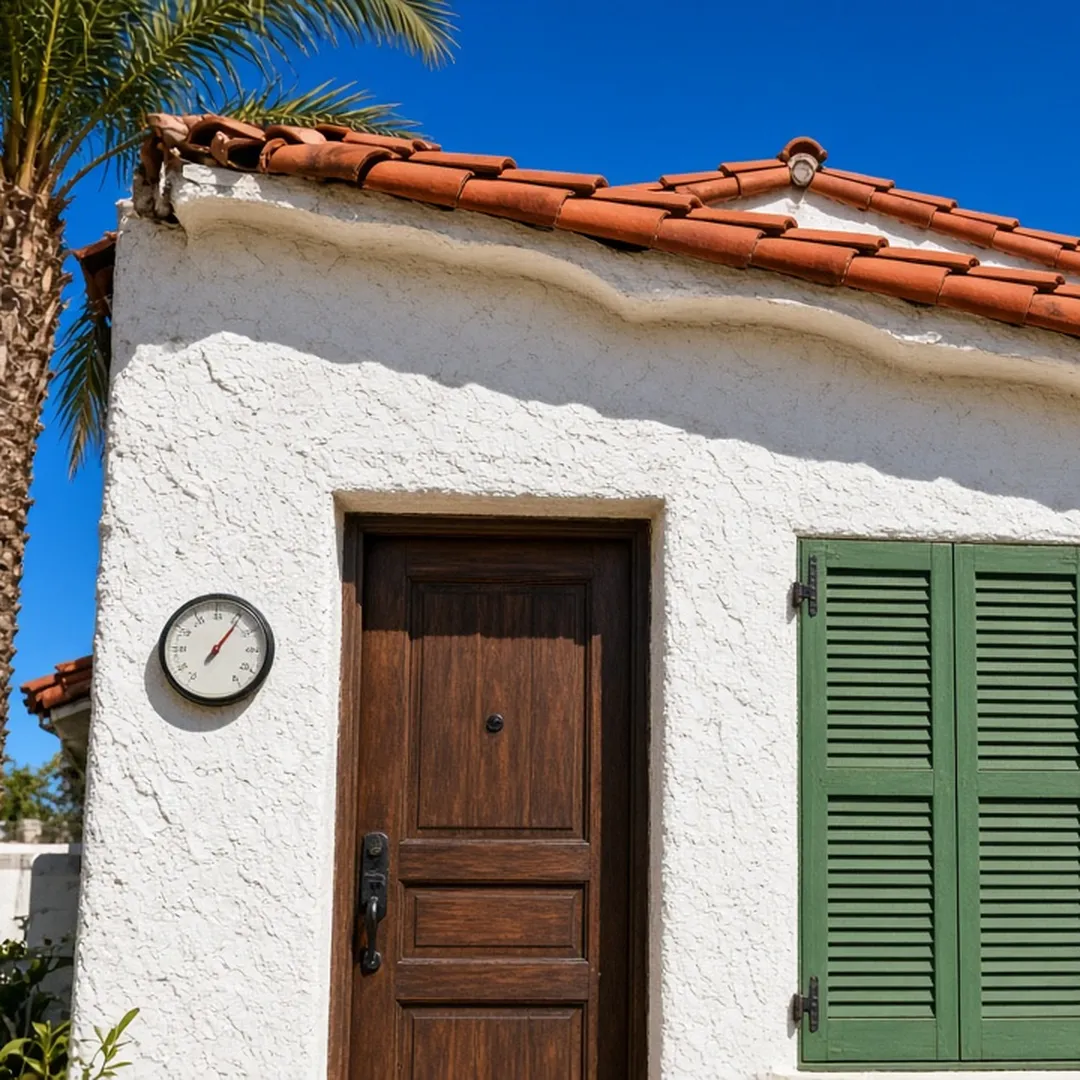
Santa Barbara's Climate: The Numbers
Santa Barbara's NOAA weather station (USC00047902) records a 1991–2020 annual mean temperature of 62.6°F and annual precipitation of 18.9 inches, concentrated heavily in the November–March wet season. The station records approximately five days per year at or above 90°F — making true heat events rare by California standards.
What the annual mean does not capture is indoor temperature. An unventilated, closed-up property in Santa Barbara — a vacation home with shutters closed, a rental with the windows locked, an elderly resident's home where the doors haven't been opened in two weeks — does not track the ambient outdoor mean. Indoor temperatures in closed properties regularly run 10–20°F above outdoor temperature when sun exposure warms exterior walls without cross-ventilation to relieve it. During Santa Barbara's occasional heat events, indoor temperatures in sealed properties reach the range where decomposition accelerates significantly.
How Temperature Affects Decomposition Timeline
Decomposition is a biological process. Its rate responds directly to temperature. At ambient outdoor temperatures around 62°F, the biological processes proceed moderately. At indoor temperatures in an unventilated property — which can reach 80–90°F during warm weather even in a mild climate — the timeline compresses.
The practical effect: a death undiscovered for the same number of days produces more extensive contamination in summer or during warm periods than in cooler months. A property owner or property manager who finds an unattended death situation and estimates "three days since she was last seen" during a warm August week should expect structural involvement that a three-day death in January would not produce.
Outdoor temperature is the starting point, not the outcome. Indoor temperature in a sealed property with afternoon sun exposure is what drives decomposition rate.
The Wet Season Problem
Santa Barbara's November–March wet season introduces a different complication. When a moisture-generating event — a sewage backup, a plumbing failure, or a decomposition situation — occurs in a property during the wet season, the ambient humidity slows structural drying in a property with limited ventilation.
Santa Barbara's older housing stock — 60% of county units built before 1980, median construction year 1974 — features original wood framing, plaster walls, and older HVAC configurations that do not support aggressive drying the way modern construction does. A decomposition event that produces fluid migration into subfloors during a wet-season week, in a property that cannot be ventilated effectively, creates structural moisture conditions that require professional drying equipment to resolve — not opening windows and waiting.
Mold colonization begins within 24 to 48 hours in materials that remain wet. In a sealed property with elevated ambient humidity after a wet-season contamination event, mold growth begins almost immediately.
What This Means for Santa Barbara Property Owners
For property managers: Properties with infrequent occupant contact — vacation homes, units with elderly residents living alone — represent the primary risk. The county has 17,980 single-person households where the resident is 65 or older (12.1% of all county households, ACS 2023). A property manager who has not had contact with a tenant or occupant for several days should check in — the window between "probably fine" and "structural damage" is shorter than most people assume.
For estate representatives and trustees: When a property is discovered with an unattended death, the timing question should always be answered conservatively. An estimate of "probably a few days" that turns out to be "almost a week" at indoor temperatures above the outdoor mean can mean the difference between surface remediation and subfloor replacement.
For property owners generally: A sewage backup, a plumbing failure, or any other moisture-producing event during the wet season requires professional extraction and drying within 24 hours to prevent secondary mold growth. Santa Barbara's ambient humidity during the wet season does not allow effective air-drying of affected structural materials.
What to Do When You Discover an Unattended Death Situation
- Call law enforcement immediately. Do not enter the room. The Santa Barbara County Sheriff-Coroner's Bureau takes jurisdiction over unattended deaths and must release the scene before cleanup.
- Do not attempt to address odor or visible contamination before the scene is released. Entering an unreleased scene can interfere with the investigation.
- Call a CDPH-registered biohazard cleanup company as soon as the scene is released. Every hour of delay after release increases structural penetration.
- Tell the cleanup company how long you believe the death went undiscovered and the approximate conditions in the property. This information affects the scope assessment.
Summary
- Santa Barbara's mild outdoor climate understates indoor temperatures in sealed properties
- Approximately five days per year reach or exceed 90°F outdoors; indoor sealed properties run significantly higher
- The wet season introduces humidity that slows structural drying and accelerates mold growth
- Older housing stock (60% pre-1980) absorbs fluids more deeply than modern construction
- Immediate cleanup after scene release is always in the property's best interest
Biohazard Cleanup Santa Barbara